The story of North Star House in Grass Valley, California begins with the North Star Mine, one of the most significant names in California gold mining history. Long before the house became a place for tours, events, preservation work, and community gatherings, it was tied to the mining industry that helped shape Grass Valley.
Together, the North Star Mine and North Star House tell a larger story about hard-rock gold mining, engineering, architecture, family life, and the people who helped build this region.
The North Star Mine and Grass Valley’s Gold Mining Legacy
Grass Valley became one of California’s most significant hard-rock gold mining regions after the Gold Rush. While many people picture gold mining as panning in rivers and streams, Grass Valley became known for deep underground quartz mining. These hard-rock mines required skilled labor, engineering, machinery, and long-term investment.
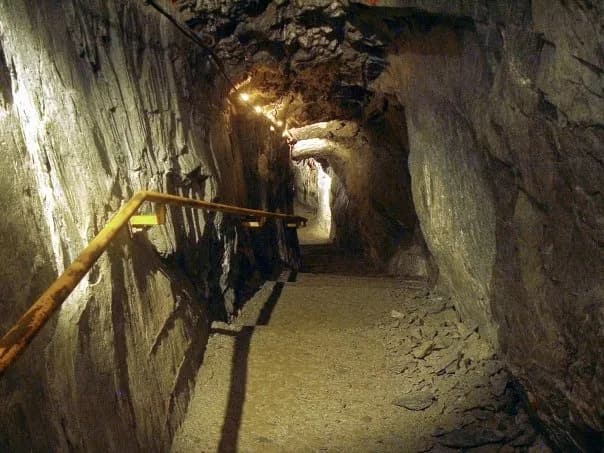
The North Star Mine became one of the area’s major gold producers and helped support the growth of Grass Valley as a mining town. The mine brought workers, engineers, investors, and families to the region, shaping both the local economy and the community’s identity.
The history of the North Star Mine is also tied to innovation. Mining in Grass Valley required systems for power, water, ventilation, and transportation. The nearby North Star Mine Powerhouse became an important example of mining engineering, using water power to support underground mining operations.
Arthur De Wint Foote and the Engineering Behind the North Star Mine - Instrumental to California's Gold Mining History
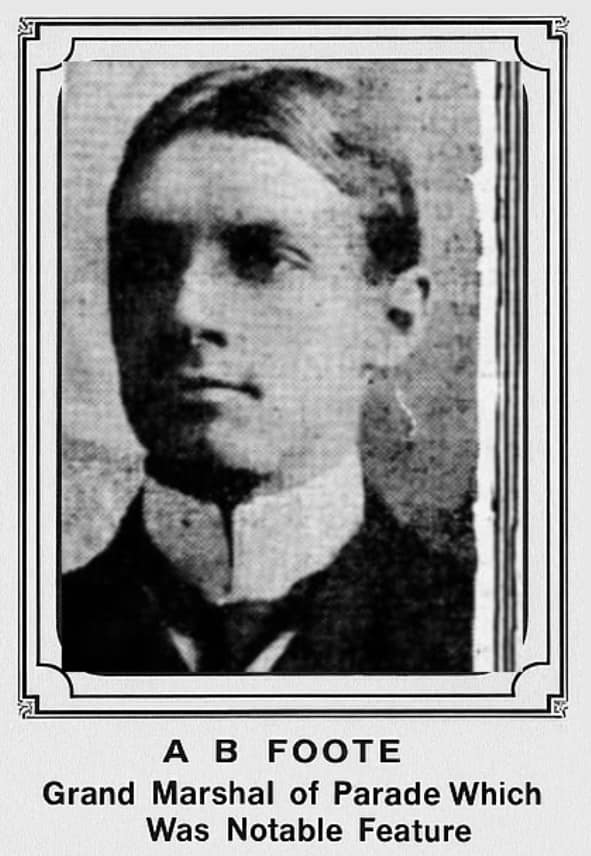
One of the most important figures connected to the North Star Mine was Arthur De Wint Foote, the mine’s superintendent and a highly skilled civil, mining, and hydraulic engineer.
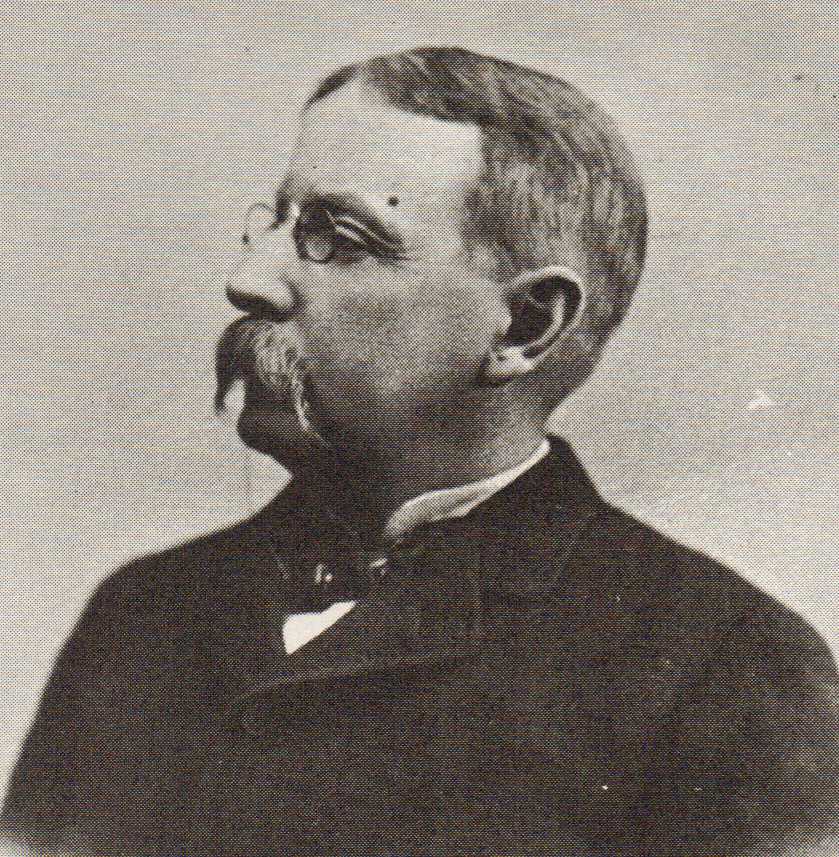
Foote came to Grass Valley in the 1890s to help solve one of the mine’s major challenges: power. Deep hard-rock gold mining required reliable energy to run equipment, remove water, and support underground operations. At the time, many mines depended on steam power, which required large amounts of wood and fuel.
Foote helped move the North Star Mine toward a more advanced system. He designed and built the North Star Mine Powerhouse, using water power and Pelton wheels to create compressed air for the mine. His most famous engineering achievement at North Star was the installation of a massive 30-foot Pelton wheel, which helped power air compressors for mining operations.
This system was an important innovation in Grass Valley mining history. Instead of relying only on steam, the mine could use water-powered technology to support the difficult work happening deep underground. Foote’s engineering helped make the North Star Mine more efficient and helped secure its place as one of Nevada County’s major gold mines.
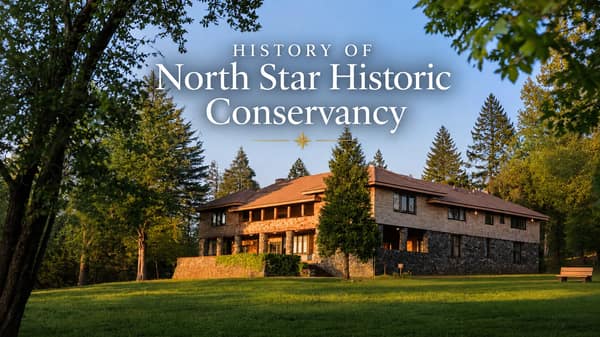
His work at the mine also connects directly to the story of North Star House. In 1905, the house was built for Arthur De Wint Foote and his wife, Mary Hallock Foote, serving as the superintendent’s residence connected to the North Star Mine.
Visit the North Star Mining Museum and North Star House
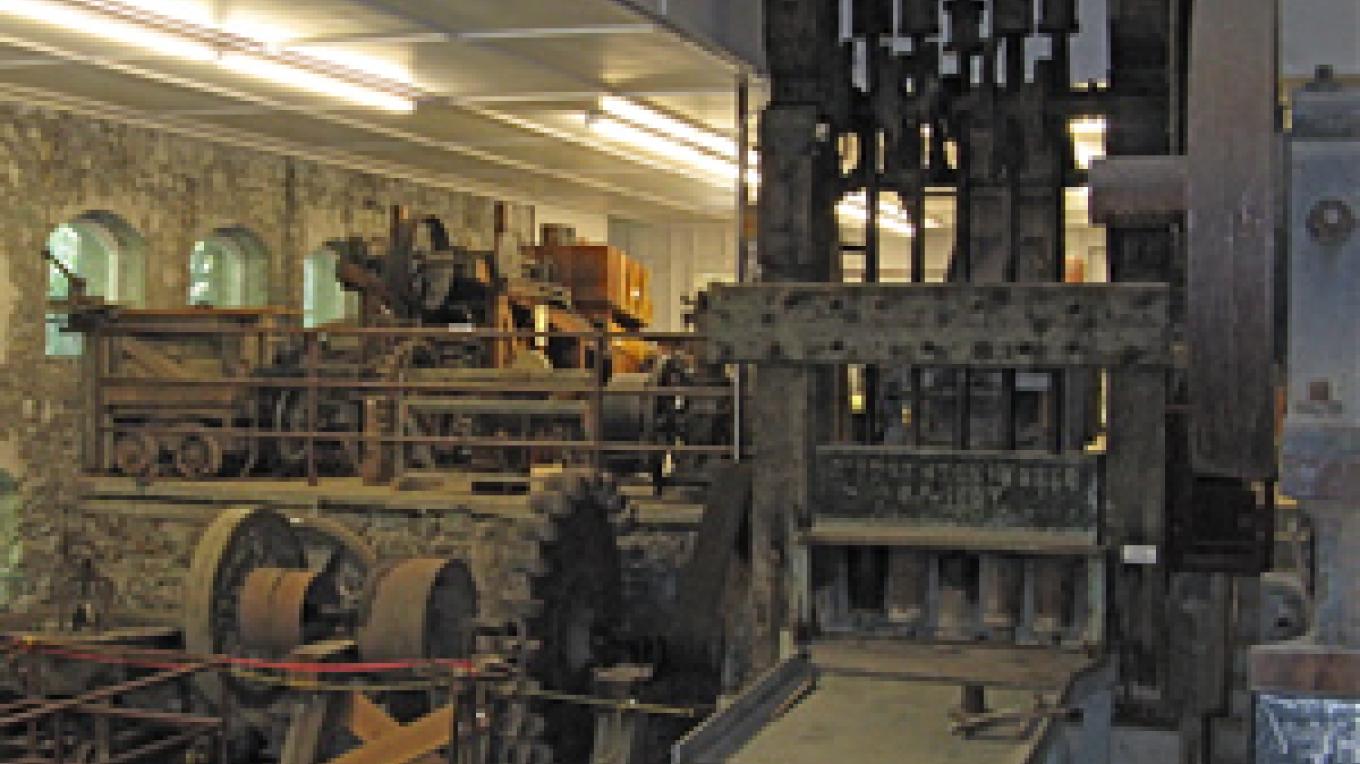
For anyone interested in Grass Valley mining history, the North Star Mining Museum is a wonderful place to include in your visit. The museum helps visitors understand the equipment, technology, and hard-rock mining work that made the North Star Mine such an important part of Nevada County history.
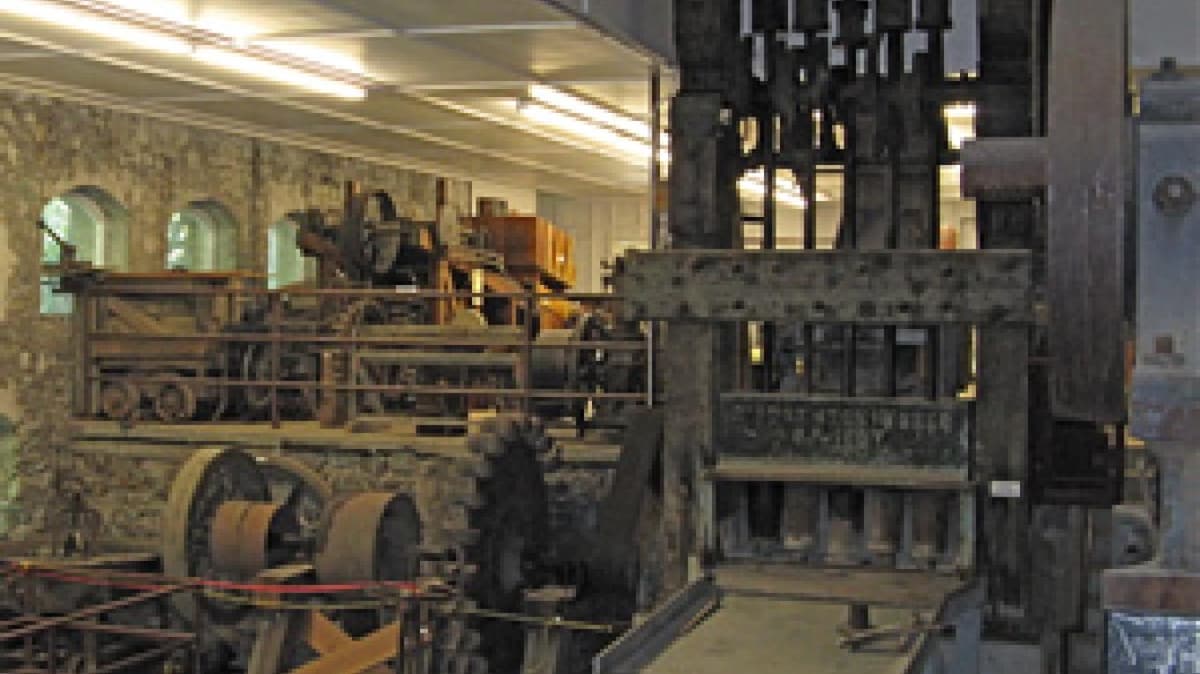
We are grateful to count the North Star Mining Museum as a friend in preserving and sharing this local history.
North Star House offers another piece of the same story. As the superintendent’s residence, the house helps show the life connected to the mine: the people, landscape, and community that grew around one of Grass Valley’s major mining operations.
Together, the two places offer a fuller picture of the North Star Mine: the work underground, the engineering that powered it, and the lives shaped by it above ground.
North Star House
Published June 15, 2026